Way Out
Plot
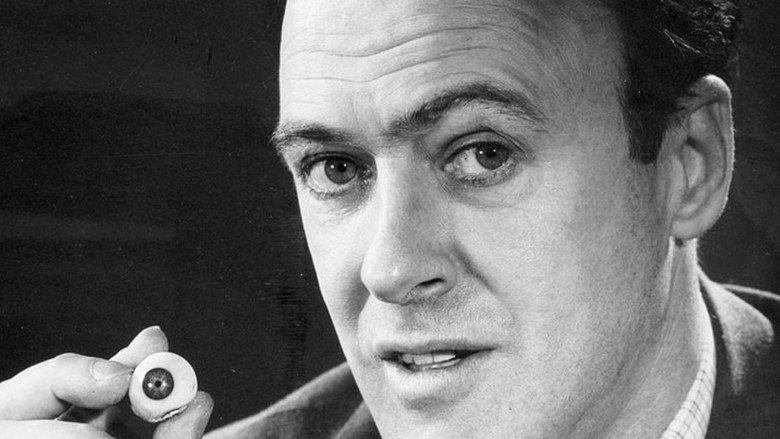
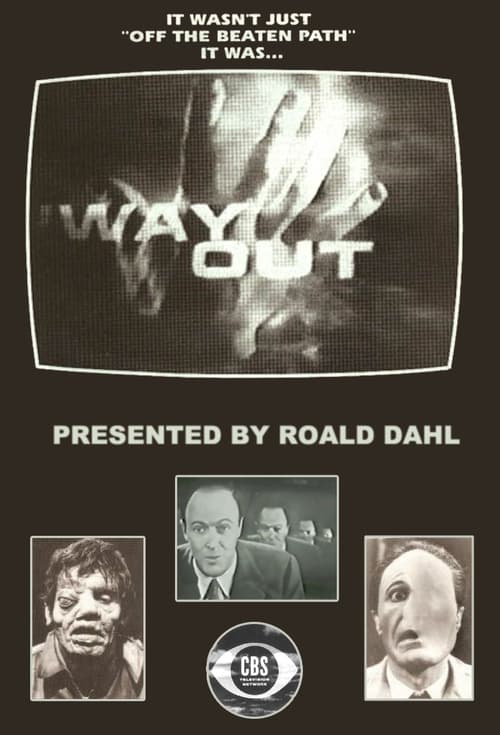
Way Out was a 1961 fantasy and science fiction television anthology series hosted by writer Roald Dahl. The macabre 25-minute shows were introduced by Dahl's dry delivery of a brief introductory monologue, sometimes explaining a method of murdering a spouse without getting caught. The taped series began because CBS suddenly needed a replacement for a Jackie Gleason talk show that network executives were about to cancel, and producer David Susskind contacted Dahl to help mount a show quickly. The series was paired by the network with the similar The Twilight Zone for Friday evening broadcasts, running from March through July 1961 at 9:30 p.m. Eastern time, under the primary sponsorship of Liggett & Myers. Writers included Philip H. Reisman, Jr. and Sumner Locke Elliott. The premiere episode, "William and Mary", adapted from a Roald Dahl short story, told of a wife getting revenge on her husband. In "Dissolve to Black", an actress cast as a murder victim at a television studio goes through a rehearsal, but the drama merges with reality as she finds herself trapped on the show's near-deserted set. Other dramas offered startling imagery: a snake slithering up a carpeted staircase inside a suburban home, a disembodied brain in a jar, a headless woman strapped to an electric chair, with a light bulb in place of her head and half of a man's face erased.
Credits
Directed by: Paul Bogart, Marc Daniels, Boris Sagal
Cast: Charlotte Rae, Barnard Hughes
How the Pulse Score works
For series, Pulse starts from the IMDb rating shrunk by vote count, then applies FORMAT CALIBRATION. Series score systematically higher than films on IMDb, so using the raw number would unfairly push a show like Way Out to the top of a film catalogue. Calibration maps the series distribution onto the film one; meaning 64 is COMPARABLE to a film with the same Pulse.
One more difference from films: Letterboxd does not track series, so series Pulse derives from a single source (IMDb) rather than two.
How did this series move you?
Member Reviews
How did this film move you? Sign in to write a review
Loading…
No reviews yet. Be the first to review!
Reviews could not be loaded.